




The small decision hiding inside a simple dessert
A classic cherry clafoutis can arrive at the table with something still inside the fruit that many home cooks would automatically remove. Before the batter is mixed or the oven is warm, this French dessert asks a surprisingly practical question about who will be eating it.
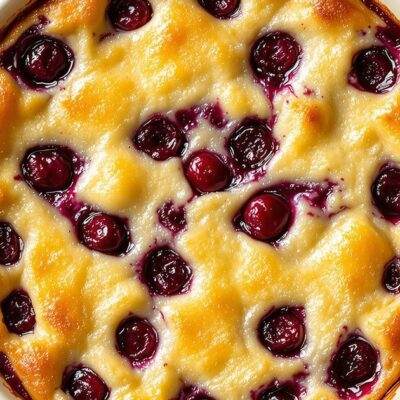
That question is easy to miss if you are looking only at the finished dish: dark cherries surrounded by a soft, golden bake, with no pastry crust to roll and no layers to assemble. It looks like the sort of dessert that should let everyone relax.
Yet read two good recipes side by side and the instructions take different paths almost immediately. One describes the traditional approach; the other begins with a choice that makes serving simpler.
This is not a contest between a correct grandmother and a careless modern kitchen. It is a useful reminder that a recipe carries two responsibilities: making something enjoyable and helping the person who will eat it feel comfortable.
The reward is modest and worthwhile. With cherries, eggs, a little flour and dairy, you can make a dessert that feels generous without needing to look like a bakery window.
Where the recipes begin to disagree
In her guide to cherry clafoutis, food writer Jill Colonna identifies the dessert with France’s Limousin region. She describes its texture as somewhere between custard and cake, made from a batter resembling a light crêpe mixture.
She also describes a particular family connection: her Corsican mother-in-law makes it for her husband when they visit. That is Colonna’s documented family story, not a tradition we need to invent for every French household.
Her discussion of the fruit explains the first fork in the road. Traditional Limousin-style clafoutis uses whole, unpitted cherries, and diners need to know that the stones are there.
But Colonna also recommends removing the stones when serving people who are less familiar with that arrangement. Knowing the tradition does not mean ignoring the needs of the people sitting at your table.
Meanwhile, Raymond Blanc’s recipe published by BBC Food explicitly calls for cherries with their stones removed. His version adds another preparation stage: the cherries sit with sugar before joining the batter.
These differences are worth preserving rather than smoothing into one supposedly universal method. The recipe below follows Blanc’s pitted-cherry approach, omitting his optional kirsch, rather than combining instructions from two different batters.
It is a sourced adaptation, not a claim that this kitchen has tested a batch. The cultural context explains the choice; the cooking instructions give you a clear route through it.
A usable recipe, with the quiet work included
For four servings, gather the ingredients below. Allow two hours for the cherries to sit with the sugar, plus preparation and roughly 30–35 minutes of baking; this is not a dessert to start ten minutes before people arrive.
- 450g ripe fresh cherries, washed and stones removed
- 3 tablespoons caster sugar for the cherries
- 20g unsalted butter, plus a little extra for the baking dish
- 2 eggs
- 3 tablespoons caster sugar for the batter, plus a little for coating the dish and finishing
- ½ teaspoon vanilla extract
- 1 heaped tablespoon plain flour
- 50g whole milk, weighed as in the BBC recipe
- 75g whipping cream, weighed
- A pinch of sea salt
Check the cherries carefully after pitting, even if using a tool. This version contains eggs, milk and wheat, so ask about dietary requirements before offering it as a shared dessert.
- Gently combine the pitted cherries with their 3 tablespoons of sugar. Cover and leave for two hours; refrigerate during this waiting stage, retaining the juices that collect.
- Heat the oven to 180°C conventional. Butter an ovenproof baking dish, sprinkle in a little caster sugar, turn the dish to coat its inside and tip away the excess.
- Warm the 20g butter in a small saucepan until it becomes a pale hazelnut brown. Remove it from the heat promptly, before it burns, and set it aside briefly.
- Whisk the eggs, the batter’s 3 tablespoons of sugar and the vanilla until creamy. Whisk in the flour until smooth, then gradually add the milk, cream, salt and browned butter.
- Fold the cherries and their collected juice into the batter. Pour into the prepared dish, leaving room below its rim rather than filling it to the top.
- Bake for about 30–35 minutes. Blanc’s doneness cues are a slightly domed top and a knife inserted in the middle that comes out clean; check the center rather than relying only on browned edges.
- Let the dessert cool until pleasantly warm, then add a light sprinkling of caster sugar and serve directly from the dish.
Use the baking time as guidance, not a guarantee for every dish and oven. A deeper layer or colder starting mixture can change how quickly the center sets, so continue checking if it is not ready.
The most thoughtful choice happens before serving
The stone debate can sound like a tiny argument about authenticity. At the table, it becomes a much simpler matter: does everyone know what is in the next mouthful?
For this version, the answer should not depend on a warning delivered after someone has started eating. Removing the stones beforehand makes the dessert easier to share, while a final check reduces the chance of a stray pit.
That does not erase the traditional preparation. It acknowledges it and then chooses another documented approach, one used in Blanc’s published recipe.
There is a second useful instruction that the finished photograph cannot explain. Both sources make room for cooling before eating; Blanc specifically recommends serving the dessert warm rather than hot.
A dessert does not need to reach the table at the most dramatic possible instant. Giving it time to become comfortable to eat can be part of making it well, not evidence that you have missed the moment.
Keep the rest of the serving simple. The cherries and softly set batter are already the point, so there is no requirement to produce a separate sauce or an elaborate garnish.
A shared dish does not need a performance
Colonna also discusses frozen cherries and other adaptations, but those belong with the instructions for her version. For a first attempt at the recipe above, fresh pitted cherries keep the method closest to the source rather than adding another variable.
If cherries are unavailable or expensive where you live, save the recipe for another time. A seasonal dessert is an invitation, not an obligation to buy fruit that does not suit your budget.
Refrigerate leftovers promptly once cooled rather than leaving an egg-and-dairy dessert on the table all evening. Colonna gives a refrigerated storage window of up to three days and notes that clafoutis can be enjoyed chilled.
The human lesson here need not be bigger than the dish. Learning someone’s preferences, checking an ingredient and removing a small inconvenience are ordinary ways to make sharing food more welcoming.
You do not need a borrowed childhood memory or an impressive finish. A warm dish, a clear explanation and food the other person can comfortably enjoy are already a good beginning.
Image: AI-generated food illustration, not a photograph of either recipe author’s cooking or a tested batch.