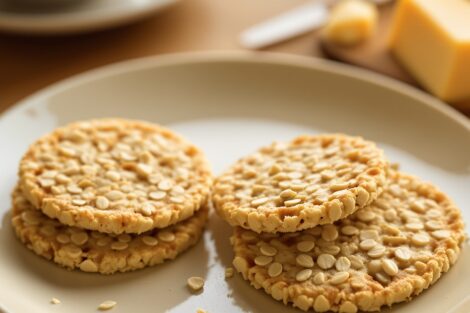
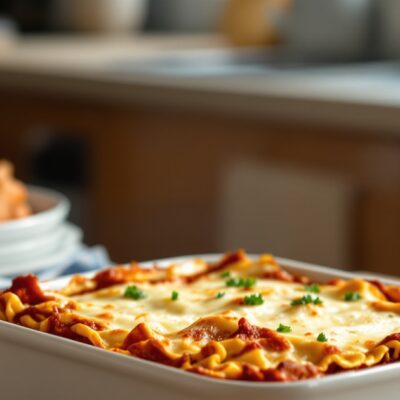


Image: AI-generated illustration of apple crumble, not a photograph of a tested bake or a National Trust restaurant dish.
The decision before the crumbs
Two apple crumbles can begin with the same comforting promise and ask you to do quite different things. In one recipe, the fruit goes straight into a baking dish; in another, it spends time in a saucepan first.
That difference is easy to overlook when your attention is on the topping. Flour, fat and sugar seem to be the main event, especially if the part you most look forward to is the crisp edge where the spoon breaks through.
But underneath that familiar surface, the apples have work left to do. How much work depends partly on the fruit you chose and partly on what happened before you switched on the oven.
This is not a competition to discover the only authentic crumble. Two published British recipes offer a more useful lesson: a comforting dessert becomes easier to understand when you follow the whole method, rather than collecting your favorite instructions from several different versions.
You do not need a childhood memory of someone baking it to enjoy that lesson. A bowl of warm fruit can become part of an ordinary evening now, without a family legend attached.
A restaurant version takes a different route
The National Trust’s Beningbrough apple crumble recipe provides the first surprise. Before the topping is added, its method calls for lightly stewing the apples, then combining them with sugar, flour and spice.
The Trust connects the pudding with Beningbrough’s walled garden restaurant, where it describes serving it with hot custard. It also notes that recipes published for home cooks may differ from those served at its properties.
That is a real connection to a place and its food, not evidence that this exact formula has passed unchanged through generations. The recipe does not need that extra story to be worth making.
Its topping contains oats and baking margarine, and its stated oven time is around twenty-five to thirty minutes. That timing belongs to a method in which the fruit has already been given a head start.
By contrast, Orlando Murrin’s apple crumble for Good Food begins with sliced Bramley apples in the baking dish. The fruit is not stewed first, and the recipe gives it thirty-five to forty minutes in a hotter oven.
Neither route cancels the other out. What causes confusion is taking the raw-fruit beginning from one and the shorter baking time from the other, then wondering why the result does not match the photograph.
The apple is part of the recipe
Good Food recommends Bramleys for their tartness and the soft texture they develop. It also allows eating apples, while explaining that they are sweeter, need less added sugar and tend to retain more distinct pieces.
That gives a home cook something better than a pass-or-fail test. If your apples remain in recognizable slices, the result may reflect the variety rather than a mistake with the topping.
There is still a difference between fruit that keeps its shape and fruit that remains unpleasantly firm. Check tenderness rather than assuming every apple should dissolve into the same filling.
The National Trust offers another flexible choice: some of the apple can be replaced with other seasonal fruit, keeping the total fruit weight the same. For a first attempt, however, an all-apple version makes the result easier to interpret.
Changing the fruit, the fat, the dish and the timing at once leaves you with several possible explanations if something disappoints. Starting with one complete recipe is not timid cooking; it gives you a useful baseline for the next bake.
For the smaller household version below, the quantities and temperatures follow Good Food’s four-serving recipe. The instructions are restated here, with its optional topping kept separate so nothing gets counted twice.
A four-serving crumble you can actually make
For the filling: use 575g Bramley apples, peeled, cored and sliced about 1cm thick, plus 2 tablespoons golden caster sugar. Prepare the fruit before measuring out the topping so you can assemble the dish without stopping halfway through.
For the crumble: measure 175g plain flour, 110g golden caster sugar, 110g cold butter and a good pinch of salt. If wanted, keep 1 tablespoon rolled oats and 1 tablespoon demerara sugar aside for the surface.
First, heat the oven to 190°C conventional or 170°C fan. Use a 23cm round baking dish at least 5cm deep, or a 20cm square dish, and have a baking tray ready underneath it.
Next, arrange the filling. Toss the apple slices with their two tablespoons of sugar, put them in the dish and settle them into an even layer so the topping will not simply disappear into large gaps.
Make the crumbs by mixing the flour, topping sugar and salt, then rubbing in the cold butter with your fingertips. Stop at a moist, breadcrumb-like mixture rather than working it into a smooth dough.
Cover the fruit evenly with the crumble mixture. Following this particular method, press the surface gently with the back of a fork, then scatter over the optional oats and demerara sugar if you are using them.
Bake on the tray for thirty-five to forty minutes. Look for a golden top and test the apples carefully with a small knife: they should feel very soft, not merely sit beneath a browned crust.
Leave the dish to cool for ten minutes before serving. Cream or custard is optional; the pause is useful because a beautiful surface does not tell you how hot the fruit is underneath.
Comfort without a performance
The encouraging part of these recipes is not that crumble cannot go wrong. It is that the important decisions are understandable: what fruit you have, whether it starts raw or lightly cooked, and which complete set of instructions you are following.
If you use eating apples, follow Good Food’s advice to reduce the filling sugar, remembering that the pieces will behave differently. Do not chase a Bramley texture by treating a different variety as though it has failed.
If you prefer the National Trust’s larger, oat-filled version, follow its quantities and stewing step together. A recipe change works best when it is a decision, not an accidental combination of two browser tabs.
There is room for generosity here without making a production of it. A shared dessert can be ordinary, unevenly spooned and served in whatever bowls are available.
The practical payoff is knowing what to notice next time, rather than needing a more impressive photograph. Before worrying about perfect crumbs, give the apples their proper beginning; the rest of the evening can stay simple.