

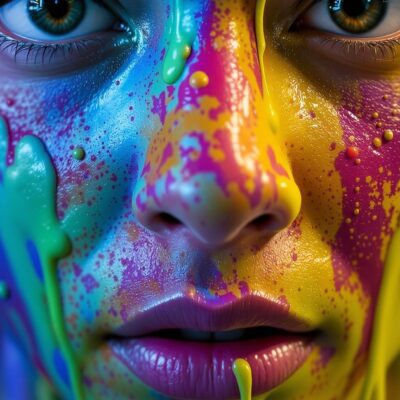

My thumb hovered over the screen. The headline said Megan Fox was “unrecognizable.” The photo was everywhere. The comments beneath it were a feeding frenzy dressed up as concern. I was sitting on my fire escape with cold coffee, late afternoon light hitting the brick wall across the alley. My phone kept buzzing with the same story reshared, reframed, regurgitated. They were tearing her apart for the sin of looking different than she did when she was nineteen. As if aging were a betrayal. As if her face were public infrastructure we all owned shares in. As if she had broken a contract she never signed, promising to stay frozen in amber for the men who still measured time by the release date of a Michael Bay movie.
Then, seventy-two hours later, another headline. She had launched a private site. Exclusive content. Ten dollars a month. Her terms. Her price. Her lens.
I stared at that second headline longer than I care to admit. Something in my chest unlocked.
When I was twenty-three, a man at a party told me I had “a look” that would expire by thirty. He said it while smiling, like he was giving me a gift. A warning from the brotherhood of male observation. I laughed because I didn’t know what else to do, but I remembered the exact angle of his chin and the smell of his beer. For years after, I checked my face in every reflective surface, hunting for the expiration date he had stamped on me. I pulled my hair back to see if my jawline was still intact. I avoided certain lights. I became an accountant of my own decay before I had even finished growing.
That is the bargain women are taught to make. You are given attention for your appearance, and in exchange, you forfeit ownership of it. The public gets to praise you, critique you, modify you, mourn you, and ultimately destroy you. And you are supposed to stand there and say thank you. You are supposed to be grateful they looked at all.
Megan Fox made that bargain early. She was nineteen when the world decided she was the most beautiful thing they had ever commercially exploited. They Photoshopped her, directed her, wrote dialogue for her that reduced her to a walking silhouette. She played the role because that was the currency available to her. But currency can be counterfeited, and the same machine that minted her fame turned around and called her irrelevant, then strange, then ruined. She got engaged. She removed her tattoos. She aged. She changed. Each shift was treated like a personal insult to the men who had pasted her onto their teenage bedroom walls and then blamed her when the paper yellowed.
The cruelty isn’t just in the comments. It’s in the structure. We want women to be available but not entrepreneurial. Visible but not in control. Beautiful but not self-determined. When a woman is free, we call her desperate. When she is desperate, we call her free, and then we punish her anyway. We want the image, but we resent the hand that holds the copyright.
Her new site charges ten dollars a month. Ten dollars for access to a version of her that she controls entirely. No studio. No male director framing her through a lens of teenage fantasy. No editor airbrushing her into compliance. Just her, the camera, and a paywall that functions like a velvet rope she installed herself. The internet called it sad. They called it a sign of decline, as if owning your platform were a fall from grace rather than a climb to sovereignty. I called it something else.
I called it the first time I saw a woman take the thing they said was broken and sell it back to them on her own deed.
There is a psychology to this that we rarely name. When you give your image away for free, the consumer feels entitled to it. They own the fantasy because they never paid for the reality. But the moment you set a price, you shift the dynamic. You become the proprietor. The body they scrutinized becomes inventory they cannot touch without permission. The criticism doesn’t stop, but it changes key. It becomes quieter, more desperate, because the power has migrated. She didn’t retreat from the gaze. She monetized the architecture of it. She looked at the machine that tried to grind her down and said, “If you want access, you’ll have to go through the front door, and you’ll have to pay cash.”
I thought about that man at the party. I thought about all the reflective surfaces I had bowed to, all the angles I had worried over, all the meals I had skipped so my cheekbones would pass inspection in bad lighting. I had spent years trying to be the free sample, the generous preview, the woman who gave away her presence and hoped the generosity would be reciprocated with kindness. It never was. The more I gave, the more they demanded, and the less I recognized myself in their version of me.
That’s because the cruelty was never about her face. It wasn’t about my face either. It was about the audacity of existing in a female body and refusing to let strangers draft the terms. Megan Fox didn’t launch a website because she was ruined. She launched it because she was finished pretending the ruin was real. The site wasn’t a surrender. It was a map showing exactly where the property lines had been drawn. It was a woman standing in the rubble of public opinion and building a door with a lock on it.
Last night I stood in front of my bathroom mirror with the light off, then on, then off again. I wasn’t checking for flaws. I was memorizing the geography of a face that had carried me through every room where I felt like I was being weighed and measured by eyes that never paid admission. I thought about the subscriptions we sell ourselves to every day. The free content of our patience, our smiles, our availability, our emotional labor, handed out like promotional flyers on a street corner. We are so trained to be accessible that we forget to be proprietary. We forget that some galleries are free to enter, and some keep the lights on only for those who know the value of what is inside.
This morning I walked to the bakery on the corner without makeup. The air was cold and my cheeks hurt. I didn’t look at my reflection in the shop windows. I didn’t need to. I already knew who owned the building. I already knew which parts of me were for display and which parts were reserved for paying customers only. And for the first time in a long time, I felt expensive. I felt like a locked door that had finally learned the music of its own key.