

The warmest spot is not the whole home
If you have carefully arranged a warm basking spot for a tortoise, watching it walk away can raise an understandable question: did you get something wrong? After choosing equipment, checking the enclosure and trying to make everything comfortable, it is tempting to treat the animal’s departure as a verdict.
But a tortoise does not need its entire world to feel the same. The useful question is not simply whether it can reach warmth, but what it can reach when it wants something different.
That distinction runs through The Tortoise Table’s routine-care guidance, which describes animals seeking places to bask when conditions are cold and shade when conditions are too hot. The movement between those places is part of the picture, not an inconvenience to design away.
This is not a story about a particular rescued tortoise or a miraculous change after someone bought a lamp. It is about a familiar caregiving impulse: we provide something useful, then assume more of that same thing must be better.
For an animal whose daily activity is closely tied to its surroundings, that assumption can leave out an essential part of care. A good enclosure has to offer more than one answer.
A comfortable room can hide an important difference
Human comfort is an unreliable blueprint for another species. We can look into a bright, tidy enclosure and feel reassured without knowing what the temperature is where the tortoise actually spends its time.
The Tortoise Table recommends checking conditions with instruments, including a digital thermometer with an external probe. Its discussion of basking temperature specifically refers to tortoise shell height, an easily missed detail when measurements are taken somewhere more convenient for the keeper.
It also describes a warmer basking area and a cooler end of the enclosure. The purpose is a temperature gradient: different conditions the animal can move between, rather than a single uniformly heated space.
Those instructions are not an invitation to copy one number into every enclosure. The same source emphasizes knowing the tortoise’s species, because animals from different environments have different temperature requirements.
A Mediterranean tortoise and a tropical species should not be treated as interchangeable simply because both have shells. Age, health and the actual housing arrangement are also reasons to discuss an individual care plan with a veterinarian experienced in reptiles.
For a keeper, this changes the task from making the enclosure feel pleasant to checking what it actually provides. You are not failing because your own senses cannot answer every question; measuring is how you stop asking them to.
The light you notice is only part of the job
Warmth is not the only requirement that can disappear inside a vague idea of a nice sunny home. Tortoise care also involves ultraviolet light, which is why a setup cannot be evaluated solely by whether a lamp appears bright.
The Tortoise Table calls for specialist UVB lighting in indoor care. Separately, the Tortoise Trust’s lighting resource identifies inadequate UVB exposure and dietary factors as contributors to metabolic bone disease.
That is a health issue, not a decorative preference. It is also a reason to avoid treating an article, a photograph or a product label as a complete husbandry plan.
The Tortoise Trust page is an older resource that directs readers to its newer website for updated material. Its warning supplies context here, not a current shopping list or a prescription for a particular bulb.
If you are uncertain about equipment, ask a reptile-experienced professional to review the species, enclosure dimensions and actual arrangement together. A useful question is whether the setup meets the animal’s needs, rather than whether a single item is marketed for tortoises.
The same caution applies when an animal seems unusually inactive or stops eating. Do not assume it is merely being slow, and do not assume turning up the heat will solve it; changes in health or behavior deserve veterinary advice.
The reassuring part is that careful care does not require pretending you can see every invisible requirement. It requires knowing which things to check, which observations to record and when to ask for help.
The overlooked feature is somewhere else to go
Return to the tortoise leaving the basking area. That movement alone cannot tell you whether the animal is healthy, whether the equipment is correct or exactly what it needs next.
What it does make worth checking is the route and the destination. Can the tortoise reach a cooler area, appropriate shelter and shade, or does the whole enclosure offer essentially the same conditions?
The Tortoise Table also discusses humidity, suitable substrate and sheltered microclimates. These needs vary by species, so a thoughtfully arranged home is more than a hot end and an empty corner.
Outdoor time brings the same principle into a larger space. The source recommends outdoor access when conditions are favorable, with shelter and warmth available, while also warning that enclosures need protection against escape and predators.
An attractive garden is not automatically a secure tortoise enclosure. The guidance specifically includes climbing and burrowing when discussing escape, and even a household dog appears among the potential dangers.
The larger point is not to make care sound impossible. It is to recognize that an animal’s ability to choose only helps when the available choices are safe and suitable.
Providing options is different from leaving an animal to cope. The keeper still has the responsibility to establish the conditions within which those options exist.
A quieter way to pay attention
A practical place to begin is with a small record of the setup you actually have. Note the species, the equipment in use, measured conditions in different areas and any questions you want to take to a reptile veterinarian.
Then add observations rather than interpretations: where the tortoise spends time, whether it eats as usual and whether anything has changed. The Tortoise Table explicitly recommends daily observation and regular record keeping as tools for improving care.
Writing that an animal stayed in one area is more useful than declaring it stubborn or lazy. The first description can be compared with conditions and discussed with someone qualified; the second can shut down curiosity before you have checked anything.
This does not mean every movement needs an explanation or that a keeper should constantly rearrange the enclosure. It means letting real observations guide a review instead of repeatedly changing things to match an expectation.
The human takeaway is modest but useful: attention is not always doing more to another living creature. Sometimes it is making sure the right options exist, then noticing without rushing to impose a story.
If you care for a tortoise, what part of its daily routine has prompted you to check an assumption about its home? That question is a better starting point than asking why it will not stay exactly where you put the warmth.
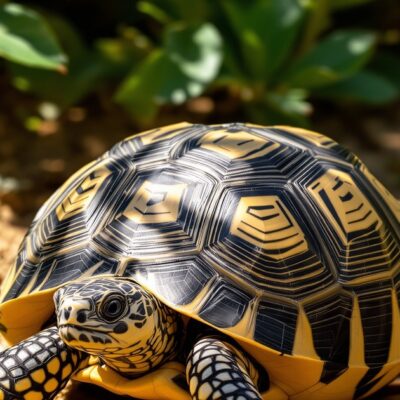
Image: AI-generated illustration, not a photograph of a documented animal or a complete enclosure design. This article is general information, not individualized veterinary advice.