
The bath that looks like the opposite of clean
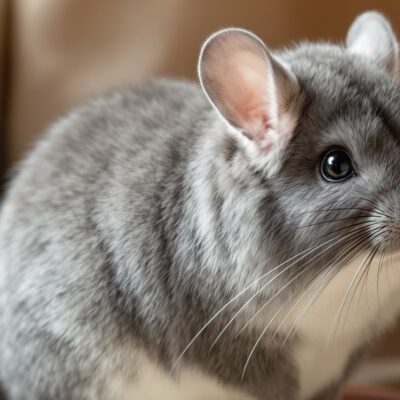
A chinchilla’s bath can begin with something you would normally sweep off the floor. Instead of making its coat look freshly washed, the animal gets into a tray of fine bathing material, turning an ordinary idea about cleanliness upside down.
That is not a novelty invented for a cute video. The RSPCA includes a dust bath among the essentials of a suitable chinchilla home, alongside exercise space, hiding places and somewhere safe to rest.
For someone used to thinking of bathing as water and soap, the recommendation can feel strangely backwards. How can adding dust be part of looking after such soft fur?
The answer starts with the animal rather than the appearance of the room. Chinchillas originate from mountainous parts of South America, and the RSPCA describes them as adapted to cool, cold and dry conditions, with dense fur that helps keep them warm.
There is a useful distinction hiding in that small tray: an animal’s care routine does not have to resemble ours to make sense. Sometimes the kindest thing we can do is stop asking what looks clean to us and find out what actually supports the creature in front of us.
A beautiful coat comes with particular needs
In its guidance on creating a good home for chinchillas, the RSPCA recommends offering a shallow tray of clean, fine sand or specialist chinchilla dust every day. It gives a straightforward reason: this helps keep their fur in good condition.
The word “dust” needs a little care here. This is a specific animal-care provision, not an invitation to collect whatever happens to be on a garage floor or in the garden.
A sensible starting point is a product specifically intended for chinchilla bathing, with advice from a knowledgeable veterinary professional if you are unsure about its suitability. Household powders and a bag of unidentified outdoor material are not equivalent just because they look fine and dry.
There is a second part to the recommendation that is easier to miss than the bath itself. The RSPCA says to remove or sieve the bathing material clean after use so it does not become soiled.
That changes the picture from a permanent decorative accessory to a small routine requiring attention. Putting a tray into an enclosure is the beginning of the job, not proof that the job will stay done.
It is also worth noticing what the guidance does not promise. A dust bath is not a treatment for every skin or coat problem, and a chinchilla using one does not establish that everything else about its health is fine.
The tray cannot do the work of a whole home
The same housing guidance places bathing within a much larger set of needs. Chinchillas are active and agile, so their accommodation needs enough horizontal and vertical space for movement, with safe resting platforms and opportunities to jump.
A bath cannot compensate for an unsuitable environment. Neither can an attractive enclosure photograph tell you whether the animal has somewhere to hide when the room becomes busy.
The RSPCA recommends quiet, calm surroundings away from dogs, cats, ferrets and other pets. As prey animals, chinchillas need secure hiding places away from the sights and smells of predators.
This matters when our interest in an animal turns into a wish to see it constantly. A retreat can make a home less convenient for watching, while making it more appropriate for the animal living there.
Temperature and ventilation belong in the same conversation. The charity recommends dry, well-ventilated, draught-free indoor housing, ideally at 10–18°C, and warns that hot, wet, humid, dirty or draughty conditions can make chinchillas ill.
Those details do not make as memorable a photograph as a little bathing session. Yet they are precisely the details that turn affection into care: where the enclosure stands, what the room feels like, and whether the animal can withdraw.
If you are considering adopting chinchillas, this is a reason to plan before bringing them home. An appealing coat and a charming routine are not a complete description of the commitment, and species-specific advice is more useful than assuming that all small pets need roughly the same things.
The most important observations happen outside the bath
There is another surprise in the RSPCA’s chinchilla health and welfare advice. These animals are not good at showing obvious outward signs of pain, so changes in their usual behaviour deserve attention rather than a reassuring guess.
The charity advises checking them every day and observing them in the evening or at night, when they are most active. Watching only during a quiet daytime moment can leave you with an incomplete picture.
Eating and droppings are especially useful things to notice. The RSPCA says to contact a vet immediately if eating or drinking habits change, or if the number of droppings reduces or stops, because the animal could be seriously ill.
It also lists wetness around the eyes or mouth, sore feet and fur loss among signs of possible illness or injury. These are reasons to seek help, not problems to cover with an extra bath.
A practical routine can be simple without being casual. Notice what is normal for your chinchillas, check their food and water use, look for changes in droppings, and pay attention to movement and behaviour when they are ordinarily awake.
If someone else cares for them while you are away, share those observations as well as the feeding instructions. Knowing what has changed can matter more than knowing that a bowl was filled on time.
A small routine, with a different kind of kindness
The bathing tray offers a modest but meaningful lesson. Good care is not always adding more attention, more handling or another accessory; sometimes it is providing the right conditions and allowing an animal to use them.
For a chinchilla, that includes a suitable bathing opportunity, a clean home, room to move and a place to feel secure. It also includes a person willing to notice when the familiar routine changes and to call a vet rather than improvise a remedy.
None of this requires pretending we know exactly what an animal is thinking. We can respect its needs without translating every movement into a human emotion or turning an everyday behaviour into a performance.
The dust bath is memorable because it initially looks like the wrong answer. Once you understand its place in chinchilla care, the better question becomes clear: what other small needs might we overlook because they do not resemble our own?
That is a gentler, more useful way to look at a pet. Not as something that should fit our picture of a tidy, affectionate companion, but as a living animal whose ordinary day deserves to work on its own terms.
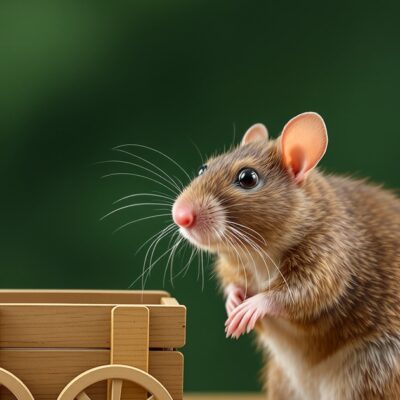
Illustration: AI-generated, not a documentary photograph. This article offers general welfare information, not individual veterinary advice.