


The cheese has somewhere else to go first
Welsh rarebit can look like the easiest supper imaginable: bread, melted cheese, a few browned bubbles on top. Yet in two published recipes, the cheese does not go straight onto the toast at all.
It goes into a saucepan. Before the bread gets its golden topping, butter, flour and warm beer have already done a quieter piece of work.
That small detour is what makes this worth trying when the refrigerator seems to offer nothing particularly exciting. You are not buying an entirely new dinner; you are learning a different way to use ingredients that may already feel familiar.
There is a comforting distinction there. Some evenings call for a project, but others call for something hot that can be eaten sitting down, without turning the kitchen into a second job.
Rarebit belongs comfortably in that second category, provided you give its sauce a little attention. The interesting part is not a secret ingredient or an elaborate garnish, but the consistency you reach before anything goes under the grill.
And that consistency can look unexpectedly thick. If you expect a sauce you can pour, the next stage might seem like a mistake.
Two recipes agree on the important detour
The Good Food team’s Welsh rarebit begins by warming brown ale separately, then making a butter-and-flour mixture in another saucepan. The ale goes in gradually, followed by grated mature cheddar.
The result is described as a thick paste rather than a flowing cheese sauce. Mustard powder, Worcestershire sauce and chopped chives finish the mixture before it meets the bread.
Hugh Fearnley-Whittingstall’s version for BBC Food follows the same basic route. His recipe uses strong beer, strong cheddar, prepared English mustard and black pepper, with granary bread underneath.
These are not identical formulas, and there is no need to pretend every Welsh kitchen follows one recipe. What is useful is their shared sequence: cook the flour with butter, introduce warm liquid in stages, melt in the cheese, then spread and brown.
That sequence changes the task. You are making a topping that can stay on bread, not simply melting a pile of grated cheese and hoping it distributes itself evenly.
The name identifies a familiar Welsh dish, but the recipes alone cannot tell us every detail of its origins. There is enough pleasure in the documented cooking method without attaching an invented grandmother, childhood kitchen or historical legend to it.
For a first attempt, following one complete version is also kinder to yourself than borrowing measurements from several. The recipe below uses the Good Food quantities, with the method explained in fresh words.
A small shopping list, and one moment to slow down
For two servings, gather the following ingredients. Use two substantial slices of bread that can carry a generous topping rather than very thin sandwich slices.
- 120ml brown ale
- 25g unsalted butter
- 25g plain flour
- 140g mature cheddar, coarsely grated
- 1 heaped teaspoon English mustard powder
- 1 tablespoon Worcestershire sauce
- 1 tablespoon chopped chives
- 2 large slices of sourdough bread
Have the cheese grated and the seasonings measured before heating the butter. This is a small practical kindness to your future self: you will not have to leave the saucepan while looking for a grater.
Check ingredients if you are cooking for someone with dietary restrictions. Many Worcestershire sauces contain anchovies, so choose a suitable vegetarian version if needed; bread, flour, beer, dairy and mustard also make this unsuitable for some diets.
This particular version contains beer. Do not assume its short cooking time makes it alcohol-free, and choose a specifically alcohol-free recipe instead when that matters to the person eating.
Warm the ale gently in a small saucepan, then set it aside. In a second small pan, melt the butter over medium heat until it starts to foam, stir in the flour, and cook while stirring for about a minute.
This butter-and-flour base is called a roux. Keep your attention on it rather than turning up the heat to hurry things along; the aim here is a cooked, combined base, not a dark or burnt one.
Whisk in the warm ale a little at a time. Let each addition blend into the mixture before adding more, working toward a smooth, thick sauce rather than leaving dry pockets of flour.
The thick paste is the turning point
Add the grated cheddar and stir until it melts into the sauce. Stir through the mustard powder, Worcestershire sauce and chopped chives, making sure the seasonings are distributed rather than concentrated in one spoonful.
Now comes the detail that explains the detour: you want a spreadable paste. Both cited recipes describe this thick stage, so a mixture that holds together on the spoon is not automatically something to dilute.
Preheat the grill to its highest setting; in an American kitchen, this is the broiler. Put the bread on a flat, grill-safe baking sheet and toast one side until it is golden.
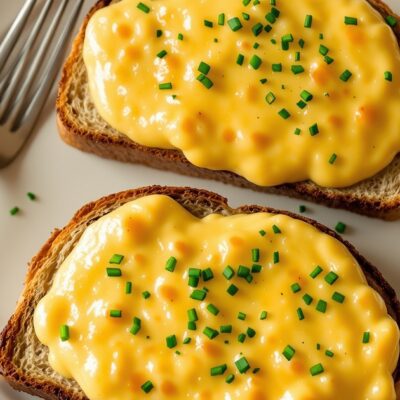
Turn the slices over and spread the cheese mixture over the untoasted sides. Return the tray to the grill and watch closely as the surface bubbles and develops browned patches.
Good Food gives a final grilling time of roughly one to two minutes, but appliances and distances from the element vary. Use the appearance as your cue, and do not walk away to finish another chore.
Serve immediately, taking care with the very hot topping. A little salad or sliced tomato alongside is an optional serving suggestion, not another essential step between you and supper.
The finished toast is familiar enough to feel approachable, but the topping has been deliberately built before the final burst of heat. The browned surface is the ending, not the whole cooking process.
Something ordinary, given enough attention
A recipe like this does not need to become a lesson about doing everything from scratch. Plain cheese on toast is still a perfectly reasonable meal, and some days the simpler option is the right one.
What rarebit offers is a choice: when you have the ingredients and a little energy, familiar food can become something different through method rather than extravagance. The extra care is specific and manageable.
Warm the liquid. Add it gradually. Notice the thickness before reaching for more liquid, and stay nearby during the short final grilling.
Those are useful instructions because they give you something observable, not a vague demand to cook with confidence. You can look at the pan, see what has changed, and decide what comes next.
If you are making supper for two, check that the mustard and beer suit both people before you start. Thoughtfulness can be as ordinary as choosing a meal someone actually wants, rather than expecting them to appreciate a surprise.
The reward here is modest and real: crisp bread, a savory topping, and a hot plate made with attention. Sometimes turning a few familiar ingredients into that is quite enough for one evening.
Image: AI-generated food illustration, not a photograph of the cited recipe being tested.