




The shelf that is easy to misread
An empty food cupboard is not usually a reassuring sight. If I were looking at a photograph of a neighborhood pantry with nothing on its shelves, my first question would be whether the project had stopped working.
The Little Free Pantry’s own guidance asks for a more careful reading. Its small, publicly accessible boxes can empty because demand outpaces supply, not simply because people have stopped caring.
That does not make an empty shelf good news for someone who needs dinner. It does change the question for someone hoping to help: what happens between the photograph of a full cupboard and the next person opening its door?
The answer begins with a project Jessica McClard started in Fayetteville, Arkansas, in 2016. She borrowed a familiar neighborhood idea, changed what went inside, and made room for an exchange that did not require a scheduled appointment.
I find the practical details more interesting than the promise of a heartwarming ending. This is not a story about one little box solving hunger, or about strangers whose private lives we can confidently imagine.
It is a documented example of neighbors making useful things available, with a revealing tension built into the design. The easier a cupboard is to use, the less a donor may know about the person it helped.
A familiar box with a different purpose
In its November 2016 account, Living Lutheran reported how McClard developed the first Little Free Pantry. Seeing Little Free Libraries in her neighborhood prompted her to consider whether the same basic arrangement could address another everyday need.
A $250 Thrivent Action Team grant helped her buy the supplies. The result was a small cabinet-like structure on a post, with shelves for food and household essentials.
She placed it on the grounds of Good Shepherd Lutheran Church, where she was a member. The location combined visibility with a neighborhood setting that could support the project.
When she first stocked it that May, the contents included cereal, diapers, canned food, peanut butter, crackers, toothpaste, and toothbrushes. Those ordinary items matter to the story because the idea was not limited to what someone could put on a dinner plate.
A household can need something very practical without having a convenient place to ask for it. The pantry brought several kinds of essentials into one small, accessible space.
McClard shared the project on Facebook, and other people began contributing. The reporting described some items being placed and taken within an estimated 30 to 45 minutes, according to her observations at the time.
That is a historical account, not a promise about how quickly any pantry operates today. Still, it helps explain why a single photograph cannot tell the whole story of a shelf.
The difficult part arrives after the opening
It would be easy to stop at the construction: a box, a few groceries, a good idea. The project’s current frequently asked questions spend considerable space on what comes afterward.
They acknowledge the limits plainly. A small pantry cannot hold the quantity or variety that a larger food pantry can provide, and established organizations are better equipped to meet extensive need.
The mini pantry is presented as a safety net, not a replacement. Its difference lies partly in access: the model allows people to approach without an application and outside conventional opening hours.
But open access is not the same thing as reliable stock. The guidance says the original pantry is stocked organically, with contributions arriving when people choose to bring them.
If nobody is contributing, an empty cupboard needs attention rather than a comforting explanation. The FAQ suggests organizing friends, neighbors, coworkers, or a congregation; one possibility is assigning different people a day of the month.
Maintenance matters too. The project recommends daily site visits to keep the space safe and tidy, and checking cans for bulging or leaking, particularly during extreme temperatures.
Before building, it advises seeking the necessary permission or permits and considering the location carefully. Neighborhood support, safe access, local rules, and keeping the structure in good repair all belong to the work.
Those are less photogenic tasks than the first full shelf. They are also where a generous impulse becomes something another person can actually use.
What the person giving does not need to know
The feature that stays with me is not a clever piece of carpentry. It is the way the project describes people approaching the same cupboard, whether they are leaving something or taking something away.
There is no need to cast one neighbor permanently as the helper and another permanently as the person being helped. The model leaves room for circumstances to change without demanding a public explanation.
The Little Free Pantry website still frames its work around immediate, local need and neighbor participation. Its central invitation is to take what you need and give what you can.
That principle does not tell us what every visitor feels, and it cannot guarantee that a location is welcoming or adequately stocked. It does offer a useful standard for the people maintaining it.
If the goal is access, the measure of success cannot simply be a cupboard that looks full. Useful goods leaving the shelf are part of the purpose, even when the donor never witnesses the exchange.
I would resist turning that into a rule that empty shelves should be celebrated. Someone may arrive too late, and the practical response is to improve supply, not to romanticize scarcity.
The more useful change is in the donor’s expectations: help does not need to produce a photograph of gratitude to count as help.
A smaller, more useful next step
For someone drawn to this idea, building a new pantry is not automatically the best beginning. An existing local pantry may need regular contributions or a reliable person to check its condition more than the neighborhood needs another box.
Ask the steward what is useful and what the site accepts. Follow its food-safety requirements, keep packaged food sealed with its original information intact, and do not assume an outdoor cupboard is suitable for refrigerated items.
The project’s FAQ mentions canned vegetables and proteins, personal-care supplies, and paper goods among useful categories. Local needs and storage conditions should guide the actual shopping list.
Choose a commitment that fits your circumstances. A modest, repeatable contribution is a sensible place to start; nobody needs to put their own household under pressure to participate.
For me, the lasting lesson is not that kindness must be small, anonymous, or delivered through a wooden cabinet. It is that the practical experience of receiving help deserves as much thought as the satisfaction of offering it.
A pantry’s opening day makes a story easy to tell. The quieter question comes later: will someone notice what is needed, check what is safe, and come back?
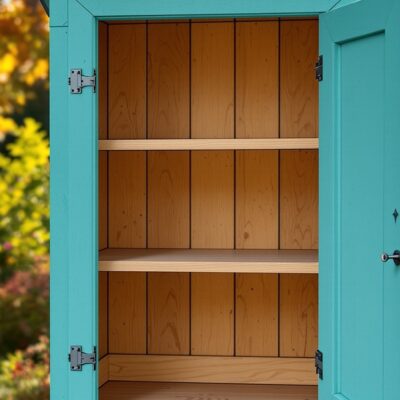
Image: AI-generated illustration of a neighborhood pantry concept, not a photograph of the original Fayetteville pantry.