

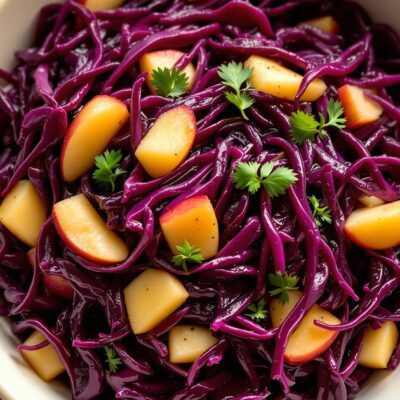



Image: AI-generated food illustration, not a photograph of a tested recipe.
The vegetable waiting for a better invitation
A red cabbage can be an awkward thing to bring home. It looks generous on the shopping list, then sits in the refrigerator while you wonder how many bowls of crunchy salad one household actually wants.
German red cabbage with apples offers another possibility, but not the one its bright appearance might suggest. This is not a quick toss in a hot pan, and the finished dish is not trying to preserve every bit of that raw crunch.
Called Rotkohl, with other names used in different German regions, it turns cabbage into a warm, sweet-and-sour side. The interesting part is how two cooks describe getting there: similar ingredients, different timings, and a final decision that belongs to the person holding the spoon.
That makes it useful for more than a holiday table. It gives an ordinary vegetable a clear job, without requiring an expensive main course or a kitchen full of equipment.
If cabbage has always felt like something to get through rather than look forward to, this is a different invitation. Before deciding whether you like it, it may be worth asking which version you have actually been offered.
Two family recipes do not tell exactly the same story
In her Rotkohl recipe at The Daring Gourmet, Kimberly Killebrew describes the dish as something her mother and grandmother made. She recalls eating it in Germany alongside Sunday roasts, Sauerbraten and Rouladen.
Those are her documented food memories, not a history every German household shares. They explain why this particular side dish carries more weight for her than a list of cabbage, apples and vinegar might convey.
Her method gives the cabbage a long, low simmer of about two hours. Onions cook first, then cabbage, followed by apples, liquid, vinegar and seasonings, with the pot covered and checked occasionally.
Gerhild Fulson’s apple-and-red-cabbage recipe at Just Like Oma describes another family version. Her instructions give a broader, shorter simmering window of about 30 to 60 minutes, depending on the tenderness you want.
Fulson explicitly makes room for preferences: some people want the cabbage very soft, while others keep more texture. Her recipe also offers butter, bacon fat or olive oil, rather than insisting one choice fits everyone at the table.
The difference is reassuring. A traditional dish can have a recognizable character without every household agreeing on the exact moment it is done.
For a beginner, that is more helpful than a promise that one timer setting will produce everyone’s childhood dinner. The recipes provide a starting point; the cabbage still needs your attention.
A manageable pot, with the quantities spelled out
The following version follows Fulson’s ingredient proportions and basic method, choosing olive oil and omitting the optional red wine. It makes about six side portions and is a source-based adaptation, not a recipe personally kitchen-tested for this article.
Allow around an hour and ten minutes, with flexibility for chopping and your preferred texture. Use a large, lidded pot: the raw cabbage takes up more room before it softens.
- 3 tablespoons olive oil
- 300 grams onions, finely diced
- About 800 grams red cabbage, core removed and leaves finely shredded
- 3 apples, peeled, cored and diced or shredded
- 240 milliliters water, plus small extra splashes if needed
- 3 tablespoons apple cider vinegar
- 2 teaspoons granulated sugar
- 1 teaspoon salt, with final adjustment to taste
- ½ teaspoon ground nutmeg
- ¼ teaspoon ground cloves
- ¼ teaspoon freshly ground black pepper
- 2 tablespoons lemon juice
- Up to 2 tablespoons cornstarch, mixed with a little cold water, only as needed
Prepare before heating. Remove any damaged outer leaves and cut away the cabbage’s tough core. Shred with a sharp knife on a stable board; a food processor is another option, but no special slicing tool is necessary.
Start the onions. Heat the oil over medium heat and add the diced onions. Cook, stirring, until they begin to soften and color lightly, rather than letting them become dark and bitter.
Add the bulky ingredients. Stir in the cabbage and apples and cook for several minutes. Turn the mixture carefully so the onions do not stay trapped against the bottom of the pot.
Begin the braise. Add the water, vinegar, sugar, salt, nutmeg, cloves and pepper. Bring to a gentle simmer, cover, and turn the heat down enough to keep it simmering rather than boiling fiercely.
Check and stir periodically over the next 30 to 60 minutes. If the bottom is getting dry before the cabbage is tender, add a small splash of water; the aim is moist cooking, not frying the lower layer.
The clock cannot make the last decision
Start tasting a small, cooled forkful when the cabbage begins to soften. Stop earlier if you enjoy some bite, or continue gently if you want softer strands, keeping an eye on the liquid.
Stir in the lemon juice once the cabbage has reached the texture you want. Then taste again before deciding whether it needs a little more vinegar, sugar, salt or spice.
This is the step that gives the recipe its most practical lesson. Apples differ in sweetness, and a tart apple and a sweet one will not bring exactly the same thing to the pot.
Fulson says different apple varieties work, including whatever you already have. That flexibility makes the final tasting more useful, not less: the instructions are responding to ingredients rather than pretending they are identical.
If the liquid needs thickening, stir the cornstarch into a little cold water until smooth. Add only part of that mixture to the simmering cabbage, stir, and let it thicken before deciding whether to use more.
You may not need the whole amount. The goal is a moist side dish with a little body, not cabbage held inside a stiff sauce.
There is no prize for adding every last drop simply because it was measured. Watching what changes in the pot is part of following the recipe well.
Something worth bringing back to the table
Both writers describe this cabbage as a dish that can be made ahead and reheated. That makes it an appealing option when the main course already needs your attention.
Serve it beside a roast or sausages, as their suggestions describe, or choose a vegetarian plate with potatoes and another substantial component. It is a side dish, not a promise that cabbage alone makes a complete dinner.
Cool leftovers promptly, refrigerate them in suitable containers, and reheat thoroughly. If making a large batch, divide it into smaller portions rather than leaving a deep pot sitting out to cool for hours.
The human appeal here does not require pretending everyone has a grandmother’s handwritten recipe. Some people inherit a familiar dish; others find one as adults and gradually decide how they like it.
Neither starting point is a lesser way to cook. A recipe that gives you quantities, a method and permission to taste can become useful long before it becomes a tradition.
Which vegetable did you only begin to enjoy when someone prepared it differently? Sometimes the next comforting thing on the table starts with an ingredient you had almost given up on.