



When a small amount of rice looks like too little
Would you believe that three-quarters of a cup of rice could be the beginning of a pot of breakfast for several people? Set it beside seven cups of water, and the proportions can look less like a recipe than a mistake.
If your usual goal is separate, fluffy grains, the next instruction may seem stranger still. This time, the rice is supposed to lose its shape.
That is the starting point for congee, a rice porridge with many regional forms and family variations. In Cantonese, it is known as jook, and the texture of its base deserves attention long before an elaborate topping enters the picture.
There is a practical tension here that feels familiar far beyond one dish. You want something warm and satisfying, but you do not necessarily want another complicated project standing between you and a meal.
Congee offers an answer, though not quite the effortless answer a short cooking time might suggest. A useful shortcut depends on doing one small thing earlier, and a good result still asks you to watch what is happening in the pot.
The interesting part is not just how little rice you start with. It is how a change in preparation can make a familiar comfort food easier to bring to the table.
The family stories behind the bowl
On Made With Lau’s congee recipe, Randy Lau describes his parents making chicken congee for him and his sister before school. He also remembers it being prepared when they were sick.
That is his family’s recollection, not a claim that porridge treats illness. Its significance is simpler: this dish belonged to the ordinary work of caring for people.
The recipe explains that a congee base can be thicker and creamier or thinner, depending on preference. The same starting point can support different additions, including chicken, fish, or other ingredients.
That flexibility does not mean every version is interchangeable. A Cantonese preparation has its own methods and expectations, and rice porridges elsewhere in Asia have their own names, ingredients, and traditions.
Another family cooking source offers a different route into the same practical problem. In The Woks of Life’s twenty-minute congee recipe, Judy Leung credits a cousin in Shanghai with sending her an idea that sounded almost too quick to work.
Leung tested it and found that twenty minutes, rather than the suggested fifteen, gave her the texture she wanted. That distinction is reassuring: the food, not the promise of speed, got the final say.
Her full recipe includes pork and preserved eggs. The simple ginger version below adapts its rice preparation and liquid proportions, rather than presenting itself as her complete dish.
The shortcut starts before the stove goes on
The Woks of Life method begins with washed, uncooked rice that is drained and frozen for at least eight hours. It goes into the boiling liquid straight from the freezer.
This is not a direction to buy a bag of frozen cooked rice. The starting ingredient matters, and confusing the two can produce a different result.
Leung explains that freezing moisture inside the grain helps break it apart, reducing the time needed for the porridge to form. The practical consequence is a shorter cooking stage, not a meal that takes twenty minutes from the moment you first open the rice bag.
For a small pot yielding about four modest bowls, gather these ingredients. Treat the serving size as a starting point; appetite and accompanying dishes will change how far it goes.
- 3/4 standard US cup uncooked white rice, preferably jasmine
- 7 US cups water or low-sodium vegetable broth, plus boiling water as needed
- 3 thin slices fresh ginger, cut into fine strips
- 1/4 teaspoon ground white pepper, or less to taste
- 1/4 teaspoon salt to start, with more only after tasting
- 2 scallions, thinly sliced, for serving
- Optional: a little chopped cilantro and a few drops of toasted sesame oil per bowl
Rinse the rice in a bowl, swish it gently, and drain. Transfer it to a freezer-safe container and freeze for at least eight hours; this preparation is additional to the cooking time below.
The adaptation leaves out the meat and preserved eggs, keeping the focus on the base. If you want the original pork version or the Lau family’s chicken preparation, follow the linked recipe for its specific marinade and cooking instructions.
Watch the texture, not only the timer
Bring the seven cups of liquid to a boil in a roomy, heavy-bottomed pot. Add the frozen rice without thawing, stir to separate it, and let the liquid return to a boil.
Lower the heat to a gentle simmer and partly cover the pot, leaving space for steam to escape. Cook for about fifteen minutes, checking regularly and stirring along the bottom so thickening rice does not catch.
Add the ginger, then simmer for roughly five minutes more. The grains should be breaking down into a soft porridge rather than remaining separate in clear liquid.
If they are still firm, keep cooking and checking. Rice, heat, and cookware differ, so twenty minutes is a useful expectation for this prepared-rice method, not a deadline the meal must obey.
If the porridge becomes thicker than you like, stir in boiling water a little at a time. If it is too thin, let it simmer uncovered briefly, stirring and watching until the texture suits you.
The Lau family’s different method includes whisking softened rice to help produce a smoother base. You need not add that step here, but it underlines the same principle: the texture is something you can adjust, not a test you pass or fail immediately.
Stir in the white pepper and initial salt, taste, and adjust carefully, especially if you used broth. Ladle into bowls and offer scallions, cilantro, and sesame oil separately so each person can choose.
Allow the porridge to cool to a comfortable eating temperature. Its gentle appearance does not mean a freshly filled bowl is ready for a large spoonful.
Something simple can still be considered
This is a light base, not a promise of a nutritionally complete meal for everyone. Depending on your needs, pair it with vegetables and a suitable protein, or use one of the fully developed recipes linked above.
There is no need to turn it into a luxury bowl to make it worth serving. There is also no virtue in insisting somebody eat it plain if the additions are what make it enjoyable for them.
The human takeaway lives in that small freedom. Cooking for another person can involve noticing how thick they like their porridge, whether ginger suits them, or whether they would rather add their own seasoning.
Those preferences do not require an impressive performance. They require a little attention, and sometimes a little preparation done before the busy part of the day arrives.
A container of prepared rice in the freezer will not solve an overloaded life. It can, however, remove one obstacle between wanting a warm meal and being able to make it.
What is the simple dish someone made for you that still feels like care? And which small detail made it theirs?
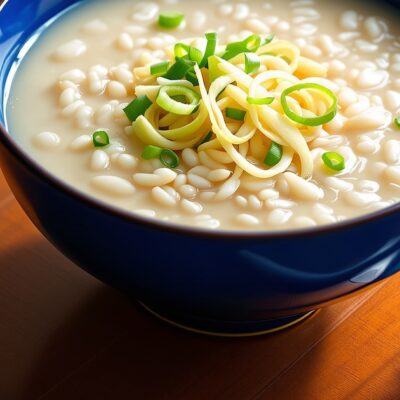
Image: AI-generated food illustration, not a photograph from either family’s kitchen.